NHS Hospital Critical Incident: What It Means, Why It Happens, and How It Affects Patients
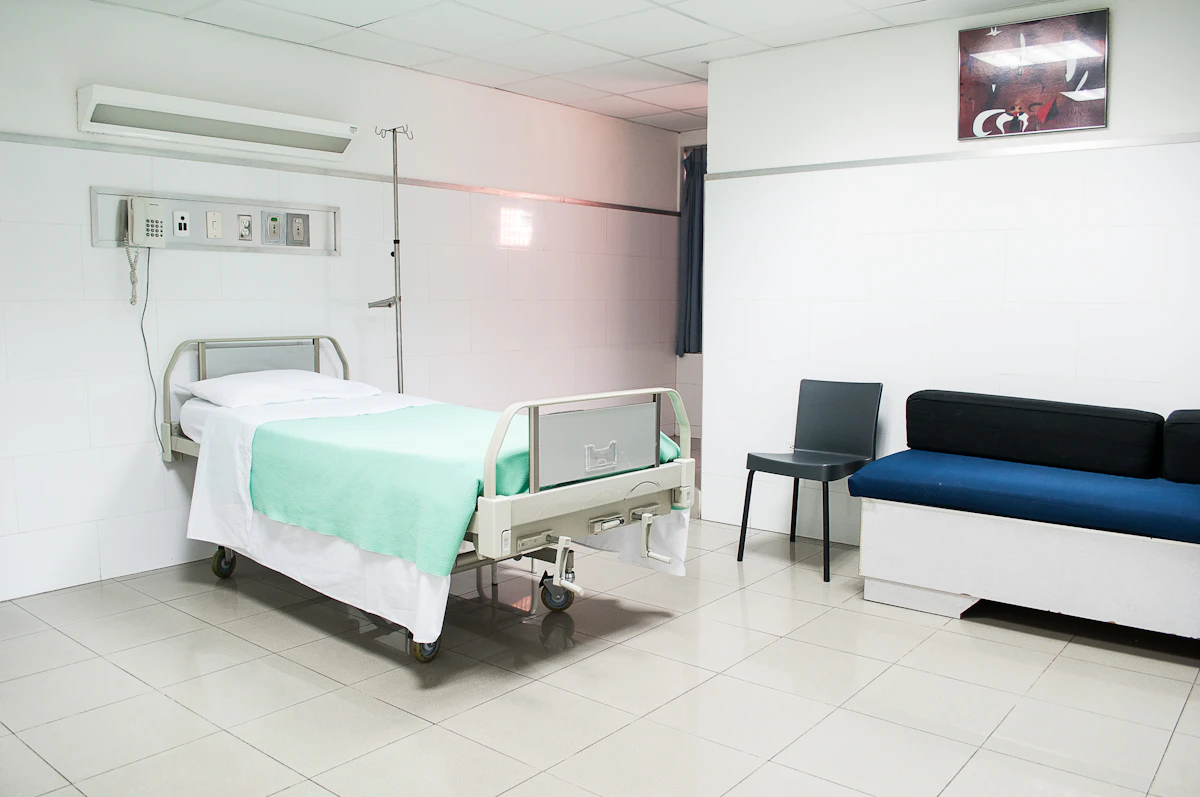
In recent years, the term “critical incident” has become increasingly associated with NHS hospitals across the UK. While the phrase may sound alarming, it has a specific meaning within the healthcare system and plays an important role in managing extreme pressure situations.
Understanding what an NHS hospital critical incident actually involves helps patients, families, and the wider public respond with clarity rather than fear.
What Is a Critical Incident in an NHS Hospital?
A critical incident is officially declared when an NHS hospital or healthcare trust is no longer able to safely deliver essential services due to exceptional pressure. This does not mean the hospital has closed or stopped operating. Instead, it signals that normal systems are under severe strain and emergency measures are required.
Such incidents are declared to protect patient safety, ensure transparency, and allow hospitals to access additional support quickly.
Common Causes of Critical Incidents
Critical incidents are rarely caused by a single issue. They usually result from a combination of factors, including:
- Sudden surges in patient admissions
- Severe staff shortages due to illness or burnout
- Bed capacity reaching unsafe levels
- Delays in patient discharge
- Increased demand during winter or public health emergencies
These pressures can build gradually until hospitals reach a point where standard operations are no longer sustainable.
What Happens When a Critical Incident Is Declared?
When an NHS hospital declares a critical incident, several immediate actions are taken:
- Senior leadership moves into emergency response mode
- Non-urgent procedures may be postponed
- Staff redeployment is accelerated
- Additional support is requested from regional or national NHS bodies
The goal is not to create panic, but to stabilize services and prioritize the most urgent cases.
Impact on Patients and the Public
For patients, a critical incident may mean longer waiting times, delayed appointments, or changes to planned care. Emergency treatment continues, and life-threatening conditions remain the highest priority.
Hospitals usually ask the public to:
- Use emergency services only when absolutely necessary
- Consider alternative care options such as pharmacies or GP services
- Be patient and understanding with healthcare staff
The Human Cost Behind the Numbers
Behind every critical incident are healthcare workers facing immense pressure. Doctors, nurses, paramedics, and support staff often work extended hours in emotionally demanding conditions.
Many NHS staff describe critical incidents as moments where resilience is tested to its limits. Despite this, teams continue to deliver care under circumstances that would overwhelm most systems.
Why Declaring a Critical Incident Is Not a Failure
There is a common misconception that declaring a critical incident represents failure. In reality, it is a safety mechanism. It allows hospitals to be honest about capacity, escalate concerns, and protect both patients and staff.
Transparency enables faster solutions and highlights systemic issues that require long-term planning and investment.
Lessons for the Future
Each critical incident provides valuable insights. They highlight areas such as workforce planning, infrastructure capacity, and community care support that need improvement.
Addressing these challenges requires cooperation between healthcare leaders, policymakers, and the public. Long-term solutions are essential to reduce the frequency and severity of such incidents.
Public Responsibility During Critical Periods
The public also plays a role in easing pressure on NHS hospitals. Using services appropriately, attending scheduled appointments responsibly, and supporting preventative healthcare can collectively make a difference.
Small actions at the individual level can help reduce strain during already critical moments.
Final Thoughts
An NHS hospital critical incident is not just a headline—it is a reflection of extraordinary demand on an essential public service. While the situation can be serious, it also demonstrates the system’s commitment to transparency, safety, and patient care.
Understanding what a critical incident means allows the public to respond with empathy rather than alarm. As pressures continue to evolve, informed awareness remains one of the strongest tools in supporting the NHS and those who work tirelessly within it.