Artificial General Intelligence: The Next Great Leap in Human Innovation

Artificial intelligence has already transformed the way we live, work, and communicate. From voice assistants to recommendation systems, today’s AI tools perform specific tasks with impressive accuracy. Yet beyond these specialized systems lies a far more ambitious goal: Artificial General Intelligence (AGI). Often described as the “holy grail” of AI research, AGI represents a future where machines can think, learn, and reason at a level comparable to humans.
Understanding AGI is essential, not just for technologists, but for anyone curious about where humanity is heading.
What Is Artificial General Intelligence?

Artificial General Intelligence refers to a form of AI that can understand, learn, and apply knowledge across a wide range of tasks, much like a human being. Unlike narrow AI—which is designed for one specific purpose—AGI would be capable of adapting to new problems without being explicitly programmed for them.
For example, an AGI system could learn mathematics, write a novel, diagnose medical conditions, and plan a business strategy using the same underlying intelligence. This flexibility is what separates AGI from today’s AI models.
How AGI Differs from Narrow AI
Most AI systems today are examples of Artificial Narrow Intelligence (ANI). These systems excel in specific domains, such as image recognition, language translation, or game playing. However, they lack true understanding and cannot transfer knowledge from one task to another.
AGI, on the other hand, would possess:
- General reasoning abilities
- Transferable learning skills
- Contextual understanding
- Autonomous decision-making
This shift from task-based intelligence to general intelligence marks a fundamental change in how machines interact with the world.
Why AGI Matters

The potential impact of AGI is enormous. If developed responsibly, it could accelerate progress across nearly every industry.
In healthcare, AGI could analyze complex medical data, assist in diagnosis, and design personalized treatments. In education, it could adapt learning methods to individual students. In science, AGI might help solve problems that have remained unsolved for decades.
AGI could also automate complex decision-making processes, improving efficiency in areas like climate modeling, urban planning, and disaster response.
The Challenges of Building AGI
Despite rapid advances in AI, creating AGI remains one of the greatest challenges in computer science. Human intelligence is not just about data processing—it involves consciousness, creativity, emotional understanding, and ethical judgment.
Some of the biggest hurdles include:
- Teaching machines common sense reasoning
- Enabling long-term learning without forgetting
- Ensuring alignment with human values
- Preventing unintended or harmful behavior
These challenges explain why AGI remains theoretical rather than practical at this stage.
Ethical and Social Considerations
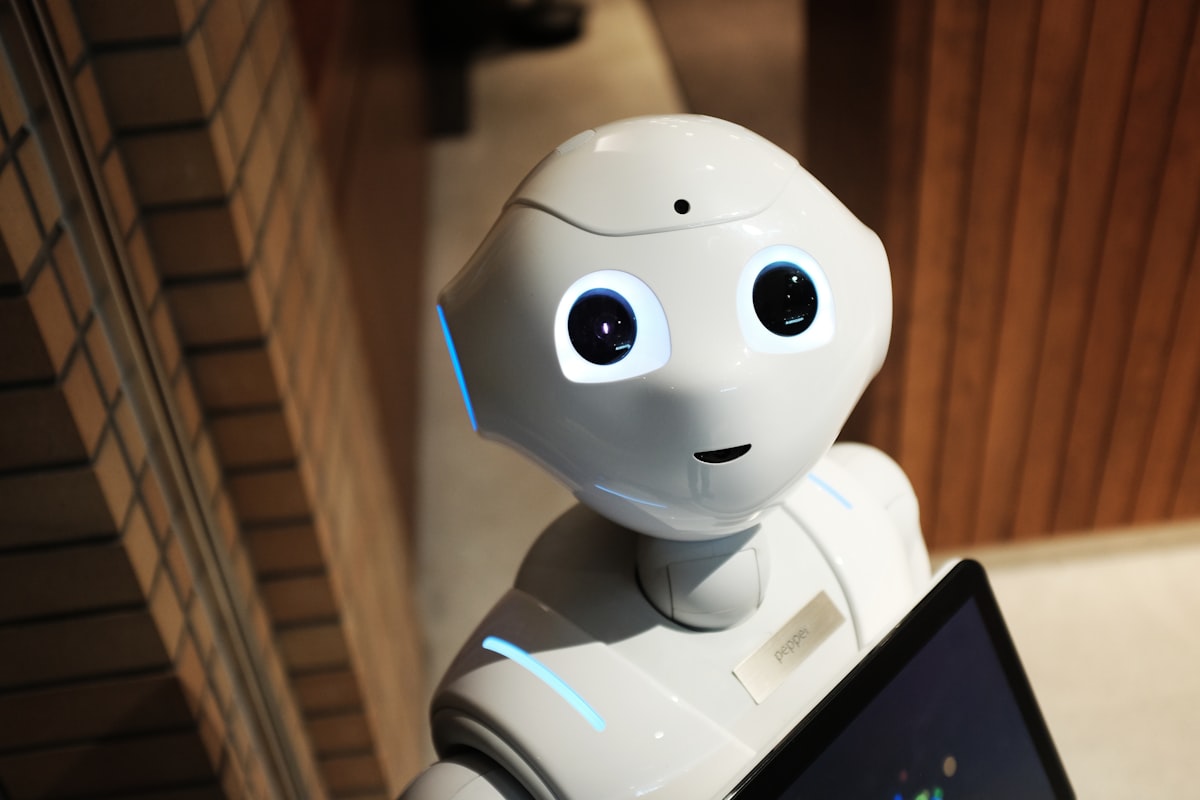
The rise of AGI raises important ethical questions. Who controls such powerful systems? How do we ensure they are used for the benefit of humanity rather than harm?
Concerns include job displacement, privacy risks, and the concentration of power among a few organizations. There is also the question of accountability—if an AGI makes a decision, who is responsible for the outcome?
Researchers and policymakers agree that ethical frameworks must evolve alongside technological progress to ensure safe and fair use.
AGI and the Future of Work
One of the most discussed aspects of AGI is its potential effect on employment. While automation already impacts many jobs, AGI could extend this influence to roles requiring creativity and strategic thinking.
However, history shows that technological revolutions also create new opportunities. AGI may redefine work rather than eliminate it, shifting human focus toward areas that require emotional intelligence, leadership, and ethical judgment.
Preparing for this transition will require education reform and continuous skill development.
Is AGI Inevitable?
Opinions differ on whether AGI is inevitable or still far from reality. Some experts believe it could emerge within decades, while others argue that human-level intelligence may remain beyond machines for much longer.
What is clear is that research continues to accelerate. Advances in machine learning, neuroscience, and computing power bring us closer to systems that resemble general intelligence.
Final Thoughts
Artificial General Intelligence represents both extraordinary promise and significant responsibility. It challenges our understanding of intelligence itself and forces us to consider how technology should coexist with humanity.
While AGI is not yet a reality, the conversation surrounding it shapes the future of innovation, ethics, and society. By approaching its development thoughtfully and responsibly, AGI has the potential to become one of the most powerful tools ever created—one that enhances human potential rather than replacing it.